Leonard: My 50-Year Friendship with a Remarkable Man in Review

In this book by William Shatner and David Fisher, Shatner chronicles the relationship between himself and Leonard Nimoy that lasted for fifty years. When I happened upon the book recently, initially I decided not to read it because I thought I already knew most of what it would contain. However, I was mistaken and pleasantly surprised by how much I learned.
Naturally, many of the stories are about the beginning of their relationship and how it deepened over the years. However, I was riveted by the wide array of topics presented beyond the franchise and their friendship. I also admired the candor of the narrative. This story is, by no means, a sugar-coated portrayal of two successful actors who garnered a faithful following and became wealthy. There are many portrayals of extraordinarily challenging facets of their lives. For the most part, Shatner does not shy away from describing difficulties in their careers, their personal lives (familial problems, divorces, substance use, death of loved ones, etc.), and the times when the relationship between he and Nimoy was strained. For example, he describes incidents when they had disagreements and arguments that sometimes were quite heated.
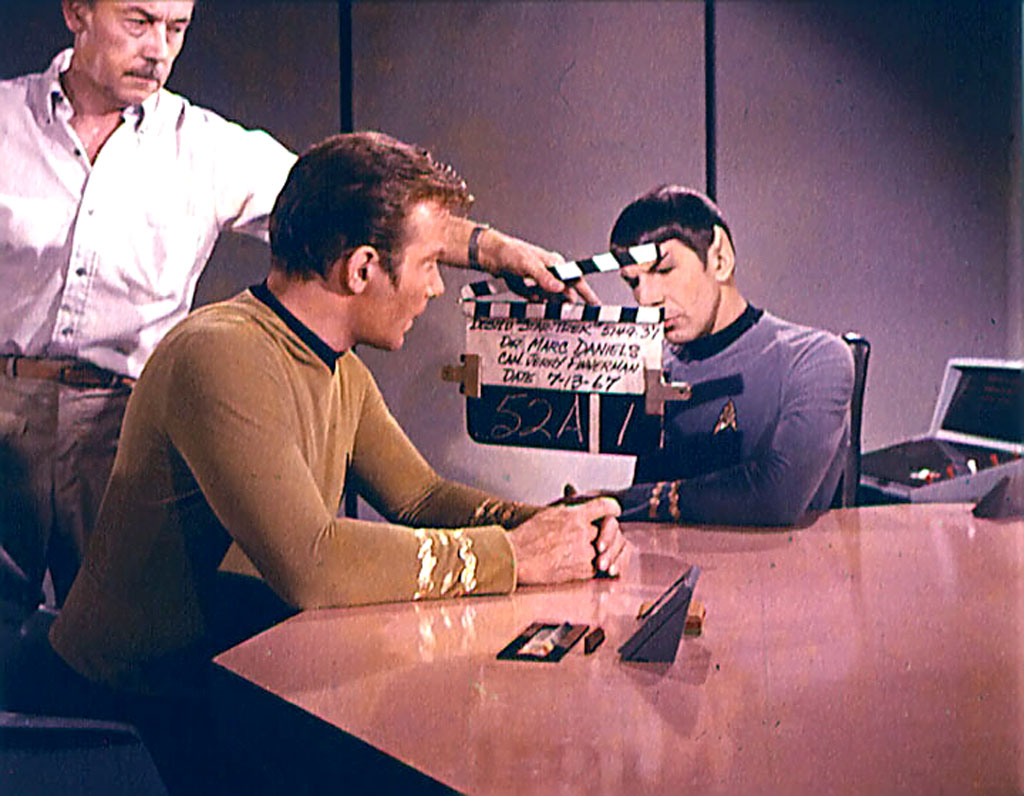
The book also provides a fascinating account of how the Star Trek franchise grew out of The Original Series, how it has continued through to the present, and behind-the-scenes machinations between studios, talent, and showrunners.
One of the most interesting aspects of the story deals with their careers prior to Star Trek and for a period after the show was canceled. When a series or movie is very successful, often the star of the show is regarded as an overnight sensation. I knew that label did not apply to either man. Despite that, the descriptions of how they first entered show business as children and what they endured to simply survive as journeymen actors revealed difficult lives that were not known to me. They were always worried about finances and whether, after one job ended, there would be another. Their passion for their craft – and the steps they took to keep body and soul together – gave me a greater amount of respect for them. I also found it heartrending.
Another compelling aspect of their history is the number of similarities in their early lives. Through most of The Original Series, Shatner and Nimoy were not close. They were not enemies, but neither were they friends. This was partly because they did not really communicate, other than when they were filming a scene. After the TV series ended, they started having conversations with each other about their early lives and realized how much they had in common. It was largely due to these similarities that their friendship gradually began to form and then flourish.
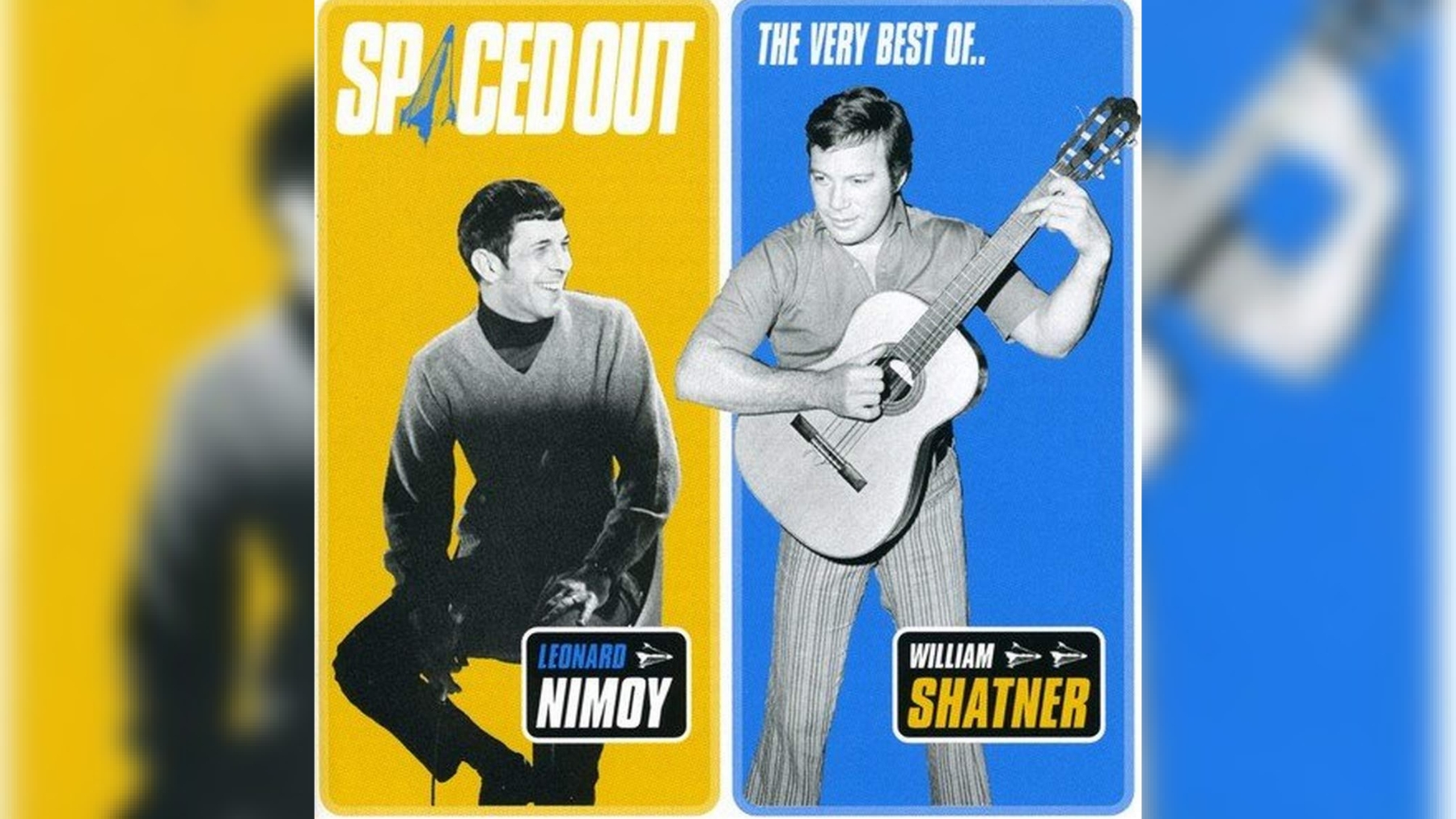
The aspect of the narrative that was most difficult to read involved how they, as well as the other cast members, felt about The Original Series and the phenomenon that occurred after its cancellation. Star Trek fans are devoted to and sometimes obsessed with the show and cast. Naturally, fans want to believe the actors are as excited about the franchise as they are. However, that was not the case with Star Trek, at least not for many years. There were times when it felt to them as though they were being dragged back into the fold. The name of the very first episode was, perhaps prophetically, “The Man Trap”. The book clearly portrays that they felt tethered to the franchise, whether they wanted to be or not. It’s disconcerting to be reminded that something that has brought the fans so much joy sometimes felt like an albatross around the actors’ necks.
When the series was cancelled, Shatner indicates there was more relief than disappointment. They were ready to move on to the next chapter. At first, when petitions were being circulated and small conventions were held, they did not view these as a positive development. In many ways, they were baffled and sometimes apprehensive. They perceived that the extreme devotion had similar aspects to a cult.
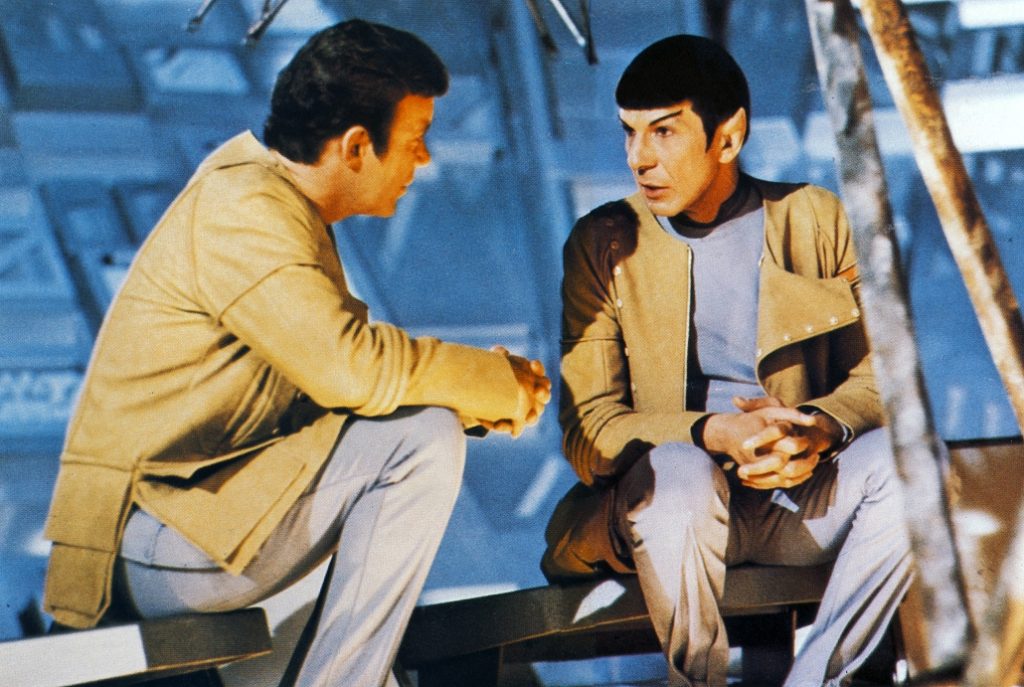
Once the movies began, there were recurring times when they hoped they were close to hanging up their uniforms. Nevertheless, at some point they recognized that they would never truly be done with the franchise, or I should say the franchise would never be done with them. Eventually, it seems they were able to accept the reality and embraced their destiny with grace and understanding.
Although it was well known that the two men were estranged towards the end of Nimoy’s life, reliving the alienation through Shatner’s eyes was hard. He states that he never knew what caused the rift. Frankly, I find that assertion difficult to believe, but he is adamant that he did not know the reason and that his attempts to mend the fences were rebuffed.
Nimoy died on 19 February 2015. Shatner was roundly criticized for not attending the funeral. At the time, he said he had promised to appear at a charitable event and explained why he thought it should take precedence. I struggle with understanding how anything short of a tragedy in his own family would have kept him away. He revisits this topic in the book and provides the same explanation. We may never know the truth about what happened. Regardless, I believe he genuinely admired Nimoy for many aspects of his personality, including his intellect, ethics, sense of fairness, and artistry, which included acting, directing, writing, and photography. In my opinion, Shatner clearly felt his life had been enriched for having known him. In conclusion, this book enriched my understanding of them both.